







FILTRATION
Home > Applications > Hydrolysate Filtration: Industrial Challenges and Solutions
Hydrolysate filtration: Industrial challenges and solutions
Protein hydrolysates are widely used today in numerous valorization and processing applications: pet food (palatants, digests), co-product and animal protein processing (poultry, pork), fish hydrolysates, collagen production, animal nutrition, the food industry, and certain biotechnological processes.
In these plants, the solid/liquid separation step is a critical operation. Filtering this type of application remains highly complex because operating parameters vary significantly depending on raw materials, recipes, temperatures, and continuous operating conditions.
While some data remains relatively straightforward to assess – such as production flow rate – the fluid exhibits extreme variability across other essential parameters:
- Evolving viscosity and thixotropic behavior
- Fluctuating pollutant load
- Temperature and gelling risks
- Presence and variable size of organic fibers
- Fat content and coagulated fats
- Agglomerates and protein clusters
- Nature and density of the heterogeneous particles to be removed
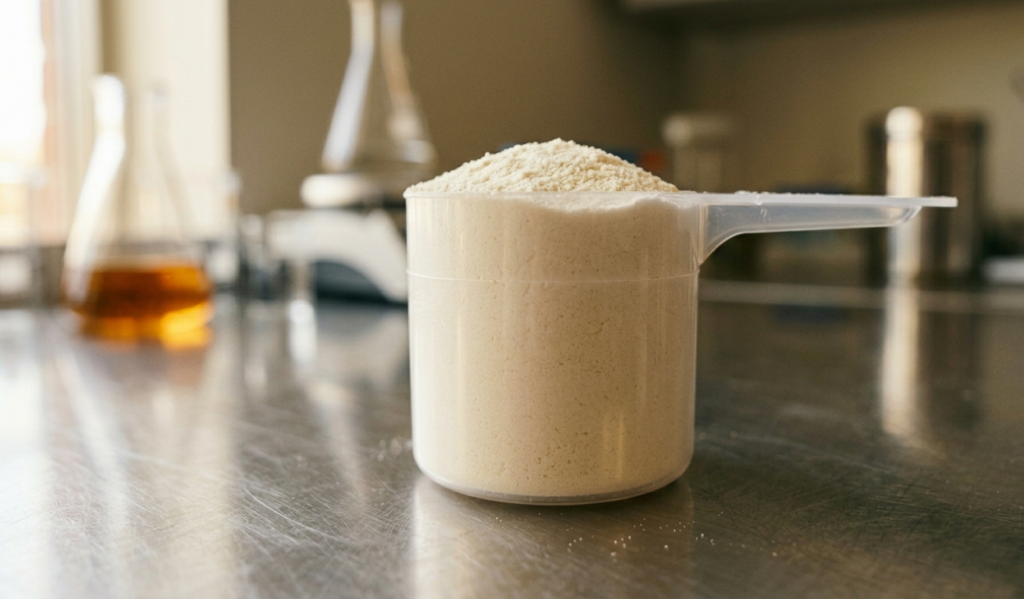
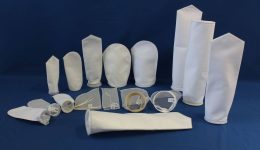
Traditional solutions used in the industry often include manual bag filters or centrifuges.
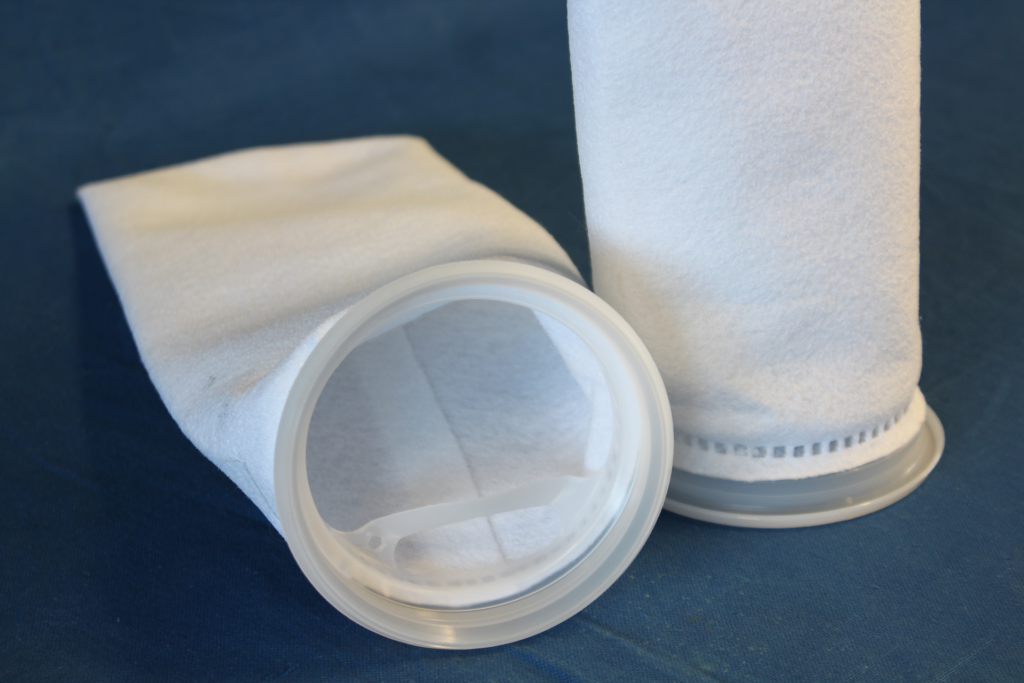
Bag filtration is simple to implement but quickly becomes time-consuming and costly in high-load applications, requiring excessive filter element changes and repeated line shutdowns.
Centrifuges can handle certain continuous processes, but they have clear limitations: high initial investment (CAPEX) and maintenance costs (OPEX), potential product heating due to mechanical shear, variable efficiency depending on particle density, and a real difficulty in tracking sharp process fluctuations. In sensitive applications, these phenomena can also degrade the final quality of the hydrolysate.
Why hilter a hydrolysate?
Filtering hydrolysates fulfills several objectives regarding the safety and performance of industrial assets:
- Protecting heat exchangers against fouling
- Protecting spray nozzles (atomization, coating)
- Limiting fouling of downstream equipment
- Improving the stability and texture of the finished product
- Drastically reducing unplanned production downtime
- Securing drying steps (spray drying towers) or packaging lines
- Effectively removing fibers, clusters, bone fragments, or undesirable particles
In the pet food and animal protein processing sectors, filtration is primarily implemented to protect downstream process equipment. The presence of fibers, organic fragments, or agglomerated particles can quickly cause nozzle clogging, pressure drops, flow rate reductions, or spraying defects that are detrimental to product quality.
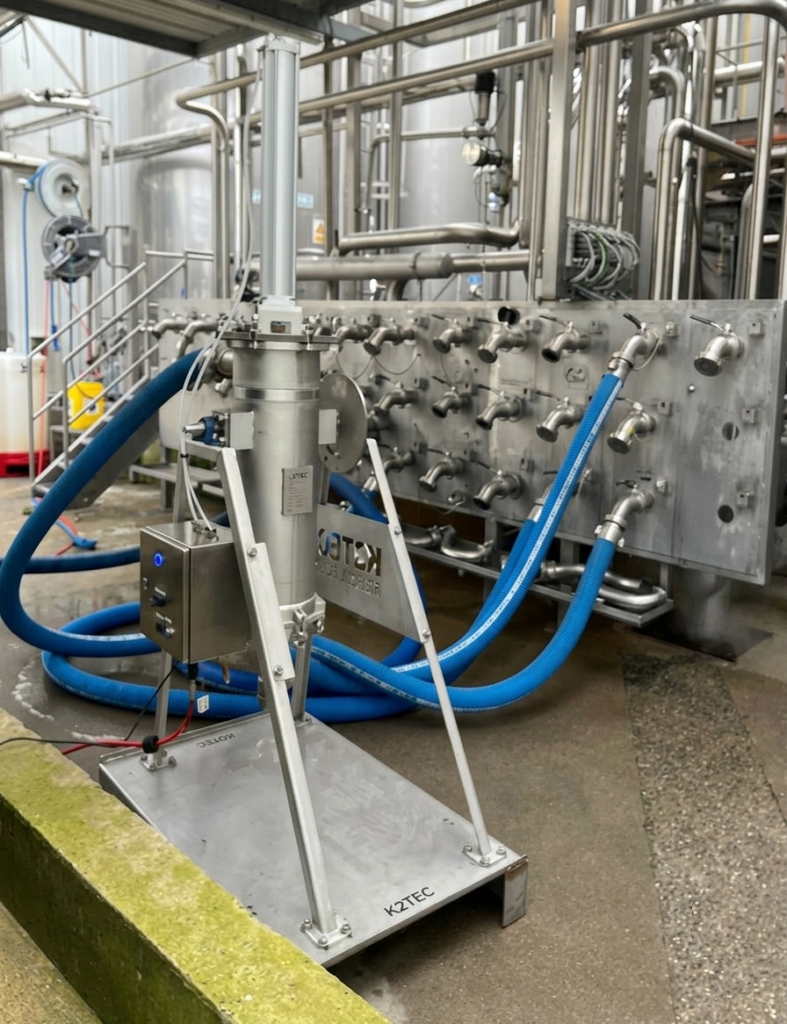
Hydrolysate filtration difficulties: The challenge of thixotropy
Unlike simple industrial fluids, hydrolysates exhibit complex and evolving rheological behavior.
One of their major characteristics is their thixotropic behavior: at rest or when stagnant, the fluid tends to set, agglomerate, and thicken. Its viscosity thus varies significantly according to:
- Process temperature
- Dry matter (DM) content
- Protein concentration and nature
- Presence and state of fats
- Process advancement and retention time
Some applications also require high-temperature filtration to prevent gelling or complete product solidification.
Furthermore, the pollutant load can spike during a single cycle. It is not uncommon to simultaneously encounter long fibers, soft particles, organic clusters, coagulated fats, or pollutants whose density varies twofold. These phenomena make the long-term use of static or conventional separation solutions difficult, if not impossible.
Which filtration technology to choose?
Bag filters remain in use for processing light hydrolysates due to their ease of installation and low initial investment cost.
They are suitable for:
- Cost-effective pre-filtration on low-load fluids
- Occasional protection of batch process lines
- Handling stable flow rates with low solid loads
- A wide availability of micron ratings and filter media
However, in continuous or high-load industrial processes, the thixotropy of the product accelerates clogging. Frequent bag replacements quickly penalize operating time, cause product loss, and overwhelm maintenance teams.
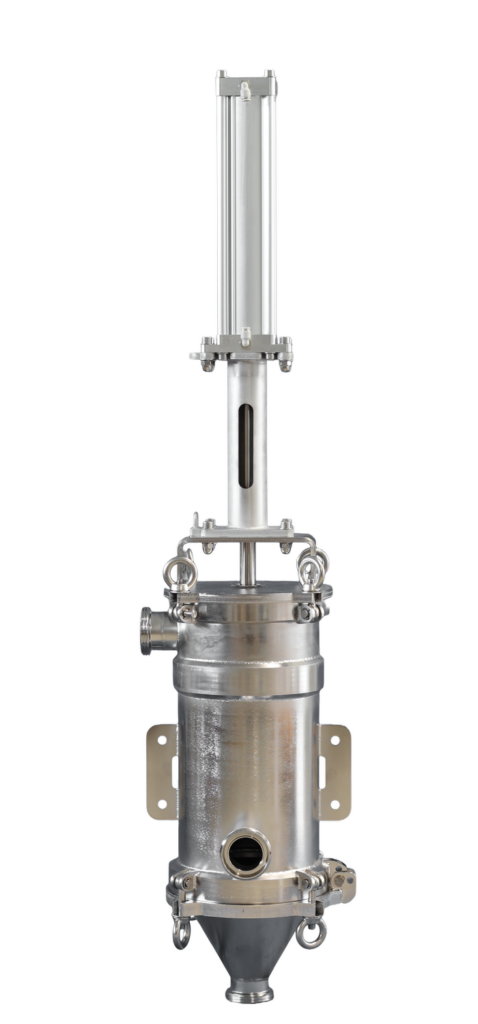
Automatic self-cleaning filtration: The answer to thixotropic and evolving fluids
In complex or high-load hydrolysate processes, automatic self-cleaning filters are essential to eliminate production downtime related to consumables.
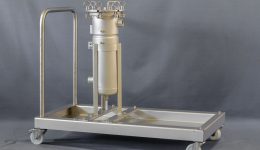
One of the main advantages of the PLM automatic scraper filters lies precisely in their ability to absorb operating variations and fluid thixotropy.
The scraper’s continuous mechanical action applies constant pressure directly to the filter screen. By leveraging the properties of the hydrolysate (which fluidizes under movement), the scraping action prevents the product from setting or agglomerating on the medium. This permanent sweeping maintains a minimal and stable pressure drop (ΔP) without ever interrupting the line’s flow rate.
PLM filters have been engineered for the harshest industrial environments and fluids:
- High-load and heterogeneous products
- Fluids with variable thixotropy and viscosities
- Simultaneous presence of fibers and fats
- Continuous processes sensitive to the slightest production shutdowns
Their intentionally simple and robust mechanical design limits the number of moving parts, drastically reducing spare parts requirements and maintenance downtime. On the PLM EVO versions, ergonomics have been specifically optimized to simplify and secure cleaning and maintenance operations for field operators.
Cascade filtration
To optimize operating costs in the most extreme applications, a cascade configuration (multiple stages in series) is frequently recommended. A first coarse automatic barrier removes macro-elements (long fibers, fragments), allowing a finer finishing filtration stage to operate under optimal conditions.
This approach allows for:
- Significantly increasing the lifespan of fine filter elements
- Stabilizing pressure and fluid behavior within the process
- Mitigating any risk of accidental clogging
- Globally optimizing operating costs (OPEX)
Do you have a filtration inquiry ?
Criteria for sizing a hydrolysate filtration system
The selection and success of a filtration architecture depend on a rigorous multi-criteria analysis:
- Nominal flow rate and peak flows
- Viscosity range and rheological behavior (thixotropy)
- Target temperature and required thermal jacket
- Micron rating
- Nature, geometry, and deformability of the particles
- Operating mode (24/7 continuous or batch processing)
- Available pressure and allowable pressure drop
- Compatibility with Clean-In-Place (CIP) cycles
- Footprint and accessibility constraints for maintenance
In hydrolysate processes, proper sizing goes beyond the theoretical choice of a micron rating. A detailed analysis of the product’s actual behavior under mechanical stress remains the determining factor in ensuring the viability of the installation.

Expert Insight
Hydrolysate filtration is among the most complex solid/liquid separation applications in the industry, whether in food processing, pet food, or biotechnology.
Flow rate variations, evolving viscosities, the presence of fats, short fibers, or heterogeneous particles demand robust, pragmatic solutions tailored to the realities of the factory floor.
Bag filters, automatic self-cleaning filters, cascade filtration : the right choice depends above all on the process, operating constraints, and especially the actual thixotropic behavior of the product during production.
K2TEC’s PLM automatic scraper filters were specifically engineered to meet the demands of these challenging industrial environments. By prioritizing mechanical robustness, continuous operation without consumables, and ease of maintenance, they guarantee maximum operational stability for manufacturers, regardless of upstream process variations or surprises.
Industrial Applications of Hydrolysates
K2TEC filtration technologies meet the requirements of the main hydrolysate processing sectors:
- Pet food: Production of palatants, liquid binders, and digests
- Animal proteins: Valorization of slaughterhouse co-products (poultry, pork)
- Fish hydrolysates: Silage, processing of filleting waste, and soluble fish meals
- Collagen: Filtration of gelatins and collagen peptides (health/beauty)
- Animal nutrition: Specific formulations for livestock and aquaculture
- Flavors and ingredients: Yeast extracts, flavor enhancers
- Industrial fermentation & Biotechnology: Clarification of complex broths
- Food industry: Functional and nutritional ingredients
All these sectors share common industrial challenges: managing high-load fluids, shifting viscosities, high holding temperatures, the imperative for production continuity, and the absolute need to protect sensitive downstream process equipment.

FAQ - Hydrolysate Filtration
Which filter should be used for an industrial hydrolysate?
The selection primarily depends on flow rate, product thixotropy, temperature, and the nature of the particles. For high-load, continuous lines, the automatic self-cleaning filter with a mechanical scraper is the benchmark solution to prevent shutdowns. Bag filters remain confined to simple or batch applications.
Why do hydrolysates clog conventional filters so quickly?
Hydrolysates are frequently thixotropic fluids. When the fluid slows down or stagnates against the media of a bag filter, its viscosity increases. Fibers, fats, and coagulated proteins then immediately agglomerate on the mesh, causing a sharp spike in pressure drop (ΔP) and complete clogging of the medium.
Can a hydrolysate be filtered hot?
Yes, and it is even frequently essential. Maintaining the product at a high temperature limits its viscosity and prevents gelling or mass solidification phenomena that would ruin separation efficiency. Our PLM filters can be equipped with heating jackets to maintain the fluid at its optimal process temperature.
Bag filtration vs. Automatic filtration?
Bag filters offer a low initial investment cost (CAPEX) but generate high operating costs (OPEX—consumables, labor) as soon as the fluid carries a heavy solid load. Automatic filters deliver a rapid return on investment (ROI) when the frequency of bag changes penalizes the plant’s availability and uptime.
See also: Range of filter machines
Why is it crucial to protect spray nozzles?
In pet food or protein powder production, coating or atomization nozzles have very narrow orifices. The slightest unfiltered fiber or organic agglomerate causes clogging, leading to a complete shutdown of the drying line or an application defect on the finished product.