









FILTRATION INUDSTRIELLE
Home > Contaminants in industrial filtration
Types of contaminants in liquid filtration and their impact on filtration performance
Industrial liquid filtration is an essential process across a wide range of industries, including chemicals, water treatment, food and beverage, cosmetics, pharmaceuticals and metallurgy.
To optimise a filtration system, it is essential to understand the nature of the contaminants present in the fluid, their behaviour during separation and their influence on filter cake formation.
This knowledge makes it possible to select the most appropriate filtration technology, correctly size the equipment and ensure long-term process stability.
In this article, we examine the main types of contaminants encountered in liquid filtration and their effects on filter media, cake formation, filtration kinetics and filtrate quality.
The objective is to provide a sound technical basis to help industrial operators select and optimise their filtration solutions.
Understanding contaminant characteristics: a fundamental prerequisite for filtration design
Before considering the available filtration technologies, contaminants must be classified according to their shape, particle size, density, structure and physicochemical behaviour.
Each particle type interacts differently with the filter media and affects the fluid flow dynamics in its own way.
Accurate contaminant characterisation makes it possible to:
Determine the required filtration rating.
Anticipate filter fouling and blinding phenomena.
Assess filter cake permeability.
Select between surface filtration and depth filtration.
Optimise operating expenditure (OPEX).
Extend filter element service life.
Main categories of contaminants in industrial liquids
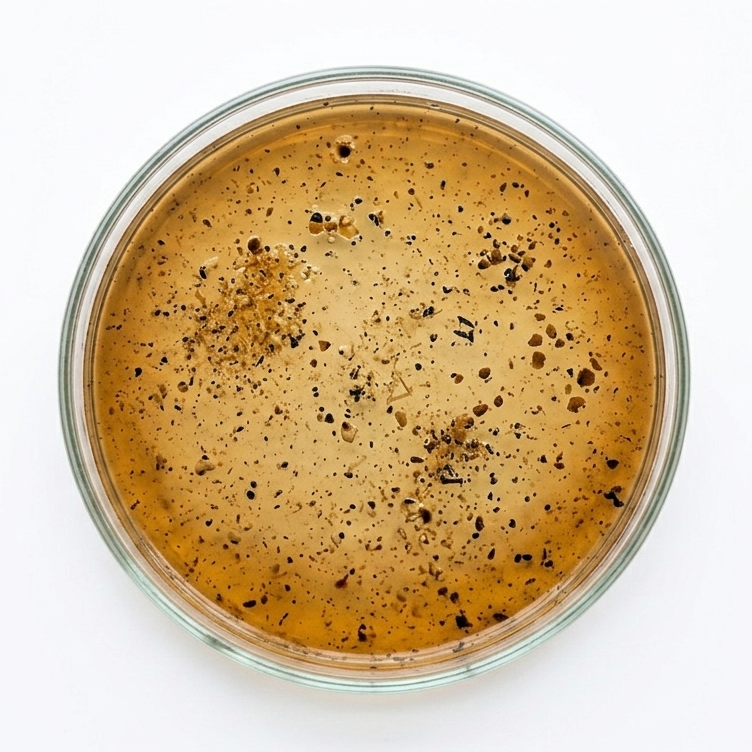
Hard and mineral particles
These contaminants are generally inorganic, relatively high-density particles originating from deposits, mechanical wear or precipitation processes.
Examples include sand, metal oxides, slag, and dried or burnt product residues.
Characteristics:
Irregular or angular particle shapes.
Low compressibility.
Limited changes in behaviour under varying fluid physicochemical conditions.
Abrasive properties.
Impact on filtration:
Hard particles generally form permeable filter cakes that are relatively easy to remove, making cleaning operations easier.
However, their presence can cause premature wear of sensitive filter media and moving mechanical components.
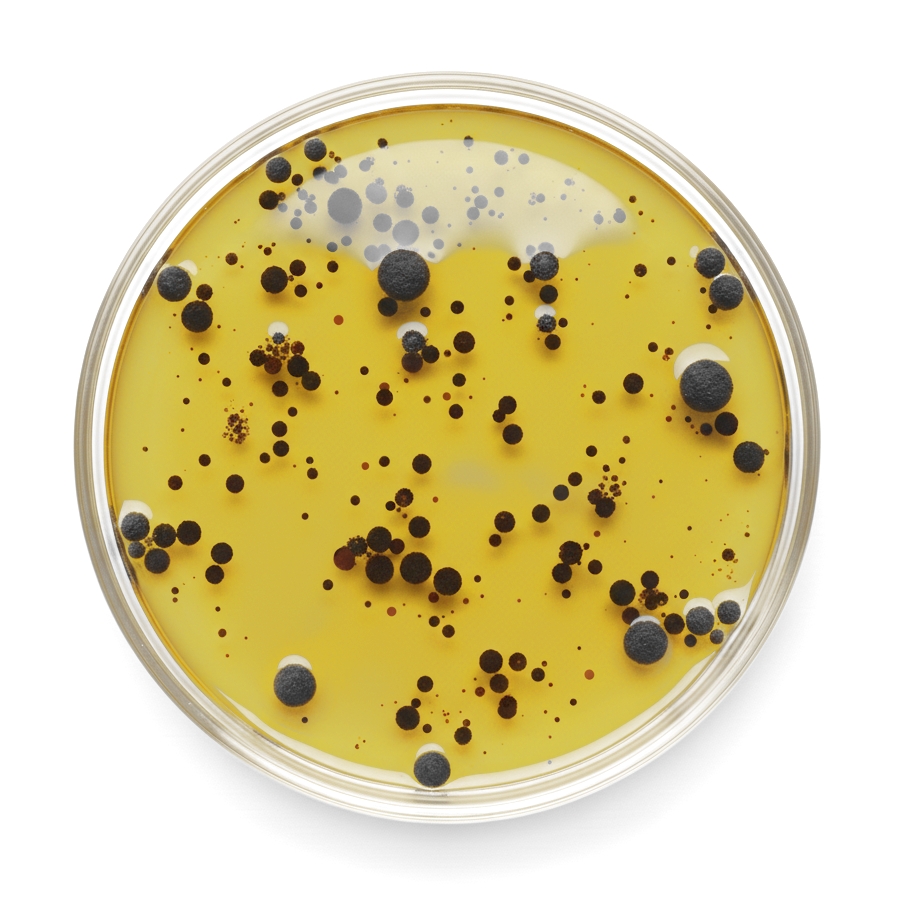
Spherical particles
These are regularly shaped, globular contaminants, often originating from chemical processes involving polymers, resins, microspheres and similar materials.
Characteristics:
Low specific surface area.
Often narrow particle size distribution.
Predictable behaviour and a relatively low tendency to cause depth fouling.
Impact on filtration:
Spherical particles generally produce stable, low-compressibility filter cakes with good drainage properties.
Filtration is usually efficient, even at high contaminant loadings.
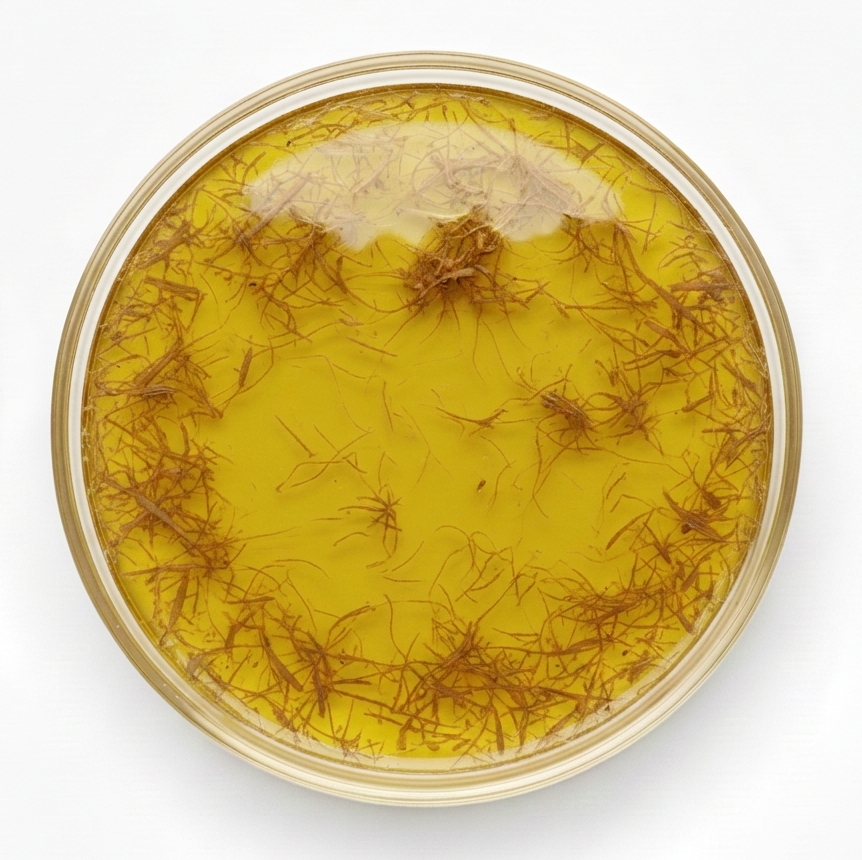
Fibrous particles
Found in many agricultural, food processing and wood-related applications, fibrous contaminants can also originate from textiles, paper and composite materials.
Characteristics:
Elongated particle structure.
Variable orientation depending on fluid flow.
Strong tendency to form interwoven structures.
Impact on filtration:
Fibrous particles tend to:
Trap other contaminants within a fibrous network.
Block filter media pores through mechanical entanglement.
Form bulky filter cakes that may have poor drainage properties.
They often cause uneven and unpredictable fouling, requiring specific filtration strategies such as pre-filtration or appropriately designed filter baskets.
Soft and deformable contaminants
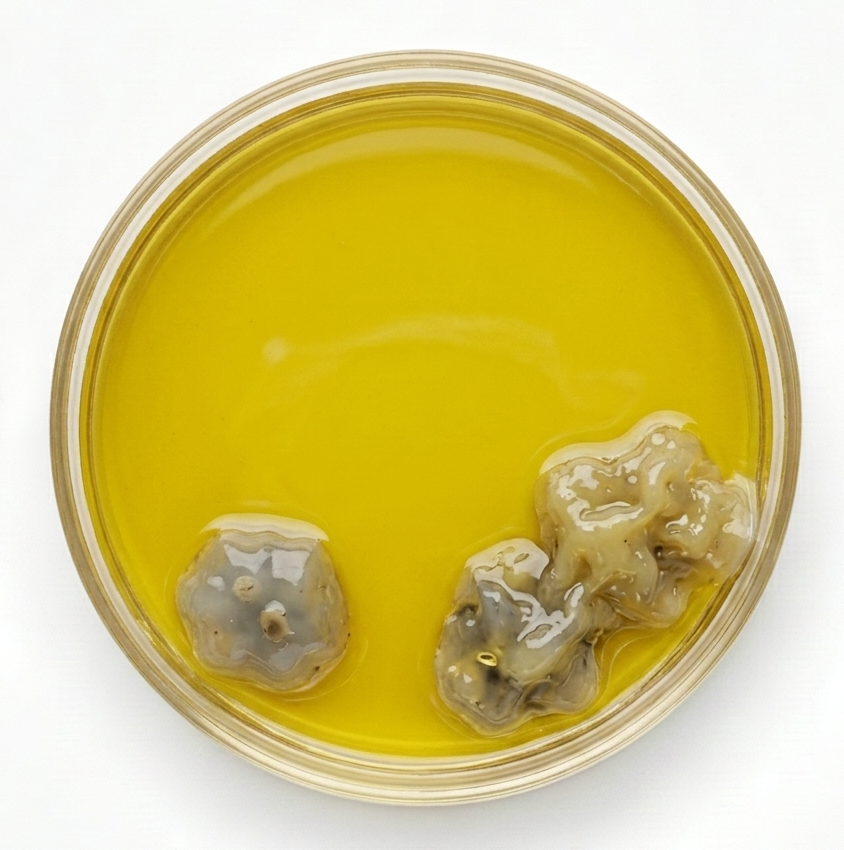
They are commonly encountered in the cosmetics, food processing, chemical and petrochemical industries.
Examples include gels, fats, polymers, organic residues, waxes and biofilms.
Characteristics:
Flexible or viscoelastic structure.
High deformability.
Behaviour influenced by temperature and viscosity.
Tendency to adhere to filter media.
Risk of particle extrusion through the filter media.
Impact on filtration:
Deformable particles can penetrate filter media pores before being compressed, resulting in deep fouling that is difficult to remove.
They generally form compact, low-permeability filter cakes, causing a rapid increase in differential pressure.
Filtration of these contaminants often requires fouling-resistant filter media and highly effective cleaning systems.
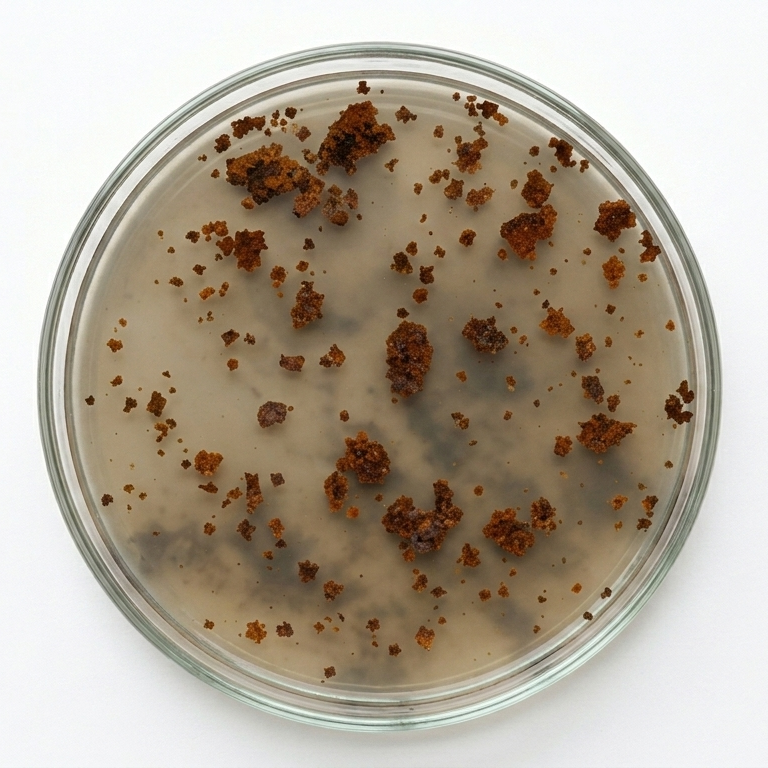
Platelet-shaped contaminants (flakes)
These thin, flat particles often originate from delamination, oxidation, cleaning operations or surface degradation.
Characteristics:
Lamellar particle morphology.
Low thickness.
High specific surface area.
Tendency to overlap and form a continuous layer over the filter media.
Impact on filtration:
Platelet-shaped particles can rapidly obstruct filter media pores, even when their total mass concentration is relatively low.
They generally form filter cakes that are:
Low in permeability.
Difficult to dislodge or clean.
Compressible under high differential pressure.
For these applications, self-cleaning filters are often preferred, as frequent replacement of filter media can result in significant operating costs.
Vous avez un besoin en filtration ?
Selecting the right K2TEC filtration system according to contaminant Type
Each particle morphology imposes specific mechanical constraints on the filtration system.
K2TEC has developed a range of filter media and filter housings designed to accommodate these different particle behaviours.
For hard and spherical particles
Requirement: Precise surface screening or automatic filtration for high contaminant loadings.
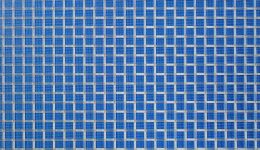
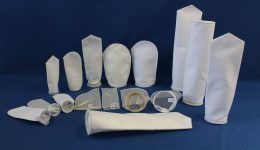
K2TEC solution: Our monofilament filter bags featuring calibrated square mesh openings, or our automatic self-cleaning scraper filters, designed for continuous operation without interrupting the process flow.
For fibrous contaminants
Requirement: A three-dimensional filter medium capable of capturing fibres within its structure and preventing them from aligning with the fluid flow.
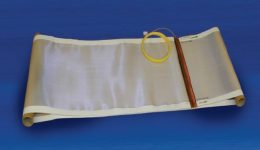
K2TEC solution: Our felt filter bags and needle-punched filter paper rolls. Their complex structures retain fibres throughout the depth of the media.
Note: For these applications, we do not recommend simple metallic screens, as fibres can wrap around them and cause clogging.
For soft, colloidal and gel-like contaminants
Requirement: A progressively graded pore structure to prevent particle extrusion and filter media blinding under pressure.
K2TEC solution: Our high-capacity filter bags, graded-density filter cartridges or gravity-fed filter paper rolls.
For platelet-shaped contaminants (flakes)
Requirement: A filtration system capable of preventing the formation of a sealing layer at the filter surface, often referred to as a blinding effect.
K2TEC solution: Our multilayer filter bags, which help disrupt and redistribute the accumulated deposit, or our automatic gravity filters and scraper filters, which efficiently remove accumulated flakes.
Filter cake formation
Comment se forme le gâteau de filtration ?
A filter cake is the layer of retained particles that accumulates on the surface of the filter medium.
Its formation has a significant influence on the overall performance of the filtration system.
Stages of filter cake formation
Initial particle penetration: Fine particles penetrate the filter medium and initiate depth fouling.
Transition phase: Particles progressively accumulate on the surface of the filter medium.
Filter cake growth: The accumulated layer gradually becomes the primary filtration barrier.
Compression: Under the effect of differential pressure, the filter cake becomes increasingly compact.
Two main types of filter cake:
Permeable filter cake: Open structure, allowing good fluid flow with relatively low pressure drop.
Compact and compressible filter cake: Dense structure with limited drainage capacity, resulting in a rapid increase in differential pressure (ΔP).
The nature of the contaminants largely determines which type of filter cake will form.
How filter cake formation affects filtration performance
Impact on pressure drop
The filter cake acts as a secondary filtration layer or pre-coat.
The more compact the cake, the faster the pressure drop increases.
Fibrous and spherical particles generally produce more permeable filter cakes, whereas colloidal particles and flakes create significantly higher flow resistance.
Impact on filtrate quality
A uniform filter cake can improve filtration efficiency by retaining particles finer than the nominal rating of the filter medium itself.
Conversely, an unstable or heterogeneous filter cake can lead to:
Particle release into the filtrate.
Flow rate fluctuations.
Off-specification filtrate quality.
Impact on maintenance and operating costs
A filter cake that is difficult to remove increases:
Filter replacement frequency.
Mechanical filter cleaning cycle times.
Water and energy consumption during cleaning operations.
Filtration systems must therefore be properly sized to minimise problematic filter cake formation or incorporate automatic self-cleaning mechanisms.
Expert recommendations: optimising filtration according to contaminant type
The main steps involved are:
Analyse the actual particle size distribution using laser diffraction or microscopy.
Evaluate filter cake compressibility.
Implement pre-treatment processes where necessary.
Define an appropriate cleaning strategy (air, water or CIP).
Select the filtration technology according to contaminant behaviour, rather than filtration rating alone.
Continuously monitor differential pressure to anticipate process deviations.
Adapt filter media based on operating feedback and practical experience.
The performance of a liquid filtration system is closely linked to the nature of the contaminants present, their mechanical and physicochemical behaviour, and their impact on filter cake formation.
Understanding the differences between hard, colloidal, fibrous, spherical and platelet-shaped particles makes it possible to optimise technology selection, reduce maintenance costs and improve overall process efficiency.
By mastering these parameters, industrial operators can achieve more stable and reliable filtration, extend equipment service life and consistently meet filtrate quality requirements.